


Aluminum PCB: The "Metallic Core" Illuminating Modern Electronics
Aluminum PCB: The "Metallic Core" Illuminating Modern Electronics
In today‘s era of pursuing high efficiency, compactness, and durability in electronics, key components hidden inside our smartphones, home LED lights, and the cars we drive often go unnoticed. One such component is the Aluminum PCB, also known as a Metal Core Printed Circuit Board (MCPCB). It is not merely a substrate for mounting electronic components but also a master of efficient thermal management, serving as an indispensable cornerstone for modern high-power, small-form-factor electronic devices.
1. What is an Aluminum PCB?
Simply put, an Aluminum PCB is a unique type of printed circuit board where the base material is metal aluminum instead of traditional glass fiber (like FR-4). Its structure can be likened to a "sandwich":
-
Circuit Layer (Copper Layer):
The top layer, identical to standard PCBs. It consists of conductive copper foil etched to form circuits for soldering and connecting electronic components. -
Insulating Layer (Dielectric Layer):
The middle layer and the core technology of the Aluminum PCB. It is a thin layer of polymer insulating material with excellent thermal conductivity. This layer must firmly bond the circuit and base layers, efficiently transfer heat, and provide good electrical insulation to prevent short circuits between the circuit and the metal base. -
Base Layer (Aluminum Substrate):
The bottom layer, typically made of aluminum-magnesium alloy or other aluminum alloys. It acts as a "heat sink," responsible for absorbing the heat transferred through the insulating layer and rapidly dissipating it into the surrounding environment.
Core Working Principle: When electronic components (like LED chips, power transistors) generate heat during operation, the heat is conducted through the copper circuits to the insulating layer. This thermally conductive insulating layer quickly transfers the heat to the aluminum base, where the large metal mass finally dissipates it via radiation and convection, effectively lowering the core operating temperature of the components.
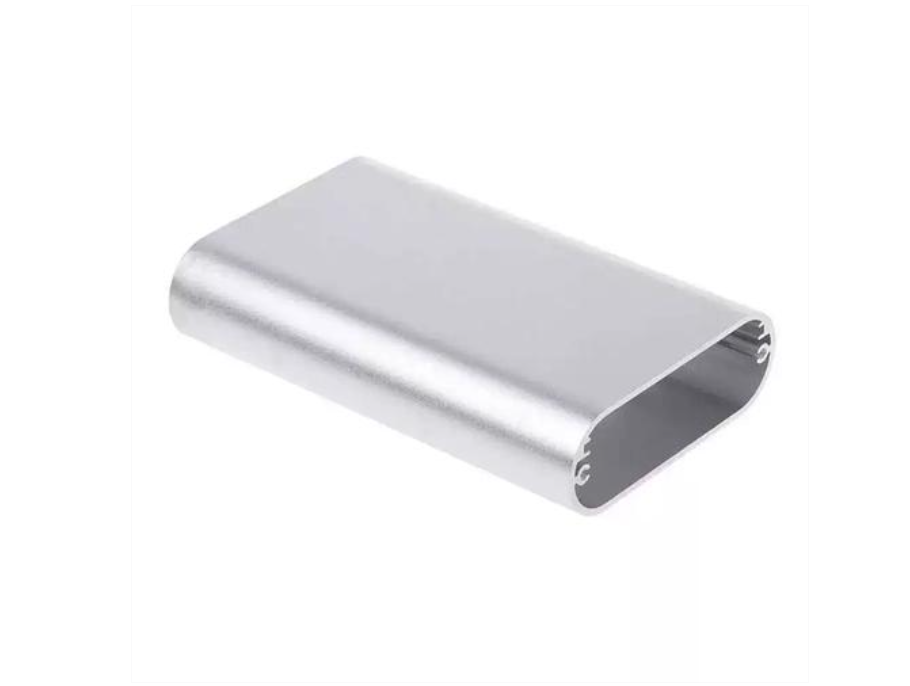
2. Prominent Advantages of Aluminum PCBs
The development of Aluminum PCBs primarily addressed the thermal limitations of traditional FR-4 materials. Their advantages are concentrated in:
-
Excellent Thermal Performance: This is the core advantage. The thermal conductivity of aluminum (approx. 200-240 W/m•K) is far superior to that of FR-4 (approx. 0.3-0.4 W/m•K). For high-power devices, reducing the operating temperature by just 10°C can potentially double their lifespan and reliability.
-
Higher Mechanical Strength: The metal base is sturdier than fiberglass substrates, making it less prone to bending or breaking. This ensures more stable performance in environments with vibration and shock (e.g., automotive electronics).
-
Outstanding Dimensional Stability: Aluminum PCBs exhibit much lower thermal expansion and contraction rates compared to FR-4 boards, which is crucial for high-precision circuits and applications with significant temperature fluctuations.
-
Lightweight: Compared to copper heat sinks or ceramic substrates of similar size and cooling effect, aluminum is lighter, helping to reduce the overall product weight.
-
Environmentally Friendly: Aluminum is a recyclable, non-toxic metal, complying with environmental directives like RoHS.
3. Aluminum PCB vs. Other Substrates: When to Choose It?
| Characteristic | Aluminum PCB | FR-4 (Standard) | Ceramic Substrate |
|---|---|---|---|
| Thermal Conductivity | Excellent | Poor | Best |
| Mechanical Strength | High | Medium | Brittle, fragile |
| Cost | Medium | Lowest | High |
| Process Difficulty | Medium (requires special processes) | Simple | Difficult |
| Typical Applications | Medium-High Power, Requires Cooling | General consumer electronics, digital circuits | Ultra-High Power, High Frequency (e.g., RF) |
Conclusion: Aluminum PCB is the most cost-effective choice when thermal management is a key challenge in your design. If circuit power consumption is very low, FR-4 suffices. For ultimate heat dissipation and performance regardless of cost, consider ceramic substrates.
4. Main Application Fields of Aluminum PCBs
Aluminum PCBs are found across various high-tech fields:
-
LED Lighting: This is the largest and most classic application. From household LED bulbs to commercial display screens, automotive headlights, and street lights, nearly all medium to high-power LED products rely on Aluminum PCBs to ensure light efficiency and long lifespans of tens of thousands of hours.
-
Power Supply Modules: Power devices (like MOSFETs, regulators) in Switch-Mode Power Supplies (SMPS), DC/AC converters, and inverters generate significant heat. Aluminum PCBs are key to ensuring their stable operation.
-
Automotive Electronics: Power controllers, LED lights, battery management systems within the engine compartment need to operate under high temperatures and vibration. The thermal and mechanical properties of Aluminum PCBs perfectly match these requirements.
-
Power Amplifiers: Power amplifier modules in audio equipment and communication base stations require efficient cooling to prevent signal distortion and device damage.
-
Consumer Electronics: Power boards and display driver boards in some high-end televisions and computers are beginning to use Aluminum PCBs to enable thinner designs and higher reliability.
5. Considerations in Design and Manufacturing
Using Aluminum PCBs isn‘t a simple material substitution; design requires attention to:
-
Via Holes: Because the aluminum base cannot be directly plated through, methods like "millings" or "windows" are often used—creating openings in the base, drilling through the insulation, and filling with thermal paste or using rivets for interlayer connections. This process is more complex than for FR-4.
-
Copper Thickness: To achieve better current carrying capacity and heat conduction, Aluminum PCBs often use thicker copper foil (e.g., 1oz, 2oz, or thicker).
-
Cost Considerations: The raw material and processing costs of Aluminum PCBs are higher than FR-4, necessitating a trade-off between performance and cost.
Conclusion
Aluminum PCBs ingeniously combine the thermal advantages of metal with the circuit routing functions of printed circuit boards, providing electronic engineers with a key solution to thermal management challenges. As technologies like 5G, electric vehicles, high-end lighting, and miniaturized electronics rapidly advance, the demands for heat dissipation will only increase. This powerful "metallic core" will undoubtedly continue to play an indispensable and crucial role in propelling electronic technology forward.

 Mailme